

The Hidden Risks of Using Multiple Transportation Vendors for Life Science Shipments
Whether you're transporting biologics, pharmaceutical products, clinical trial materials, laboratory samples, or temperature-sensitive research materials, the success of your shipment depends on maintaining an unbroken chain of custody, continuous environmental control, and complete visibility throughout transit.
Many organizations rely on multiple transportation vendors to move products across the country. You may contract with a transportation company, and not even be aware that they in turn are contracting with multiple vendors to get your product from point A to point B. This process introduces unnecessary complexity and risk, particularly when product integrity and compliance are critical.
For companies managing life science transportation, cold chain transportation, or GMP logistics, understanding these risks can help protect valuable products, avoid costly delays, and maintain regulatory confidence.
Multiple Vendor Handoffs Increase Your Risk
Every time a shipment changes hands in transit, the opportunity for errors increases.
When multiple third-party carriers are involved in a transportation operation, products are frequently transferred between trucks, terminals, warehouses, or regional delivery partners. Each handoff creates another touchpoint where delays, communication issues, or handling inconsistencies or mistakes can occur.
For high-value or irreplaceable materials, these additional touchpoints increase the likelihood of:
- Breaks in the chain of custody
- Temperature excursions during loading or transfers
- Delayed deliveries caused by scheduling between carriers
- Miscommunication between logistics providers
- Inconsistent documentation
- Reduced shipment visibility
- Different handling procedures from one carrier to another
The more organizations involved in transporting a shipment, the more variables must be managed. When you sign a contract for transportation, always ask if multiple vendors will be involved.
The Chain of Custody Challenge
For regulated industries, maintaining a documented chain of custody is essential. It provides confidence that materials have remained secure, properly handled, and continuously accounted for throughout transportation.
When shipments pass between multiple logistics providers, maintaining that continuity becomes more challenging. Every transfer requires additional documentation, communication, and verification. Even small gaps can create questions during quality reviews or regulatory audits.
A continuous chain of custody helps ensure accountability from pickup through final delivery while supporting compliance with quality and operational requirements.
Cold Chain Transportation Requires Continuous Control
For temperature-sensitive products, maintaining the proper environment is just as important as arriving on time. Effective cold chain transportation depends on continuous monitoring, not simply monitoring within each individual truck or facility.
When shipments move between multiple vendors, they may experience temporary exposure during transfers, waiting periods, or equipment changes. Even when temperature requirements are maintained, additional handling increases operational risk.
If your product is on the list below, it likely requires consistent, scrupulous cold chain management:
- Biologics
- Cell and gene therapies
- Vaccines
- Clinical trial materials
- Pharmaceutical products
- Laboratory specimens
- Research samples
Protecting these materials requires consistent processes throughout the entire cold chain journey.
Visibility Is Crucial During Nationwide Transportation
Cross-country shipments often travel hundreds or thousands of miles over multiple days. During that time, organizations need confidence that their products remain secure and within required environmental conditions.
When several transportation providers are involved, shipment information is often spread across multiple tracking platforms, customer service teams, and operating procedures.
If a delay or issue occurs, determining where the problem originated can take valuable time.
Working with a single logistics provider creates one source of communication, one operating process, and one accountable partner responsible for the shipment from origin to destination.
Critical Questions to Ask Before Choosing a Transportation Partner
When evaluating providers for pharmaceutical transportation or life science logistics, consider asking:
- Will my shipment remain under one chain of custody?
- How many times will my products change vehicles or carriers?
- Is temperature monitored continuously throughout the trip?
- Who is responsible if an issue occurs during transport?
- Can I communicate with a single logistics team throughout the shipment?
- What experience does the provider have transporting regulated life science materials?
The answers can reveal significant differences between transportation models.
How Tobin Scientific’s Unique Operations Model Reduces Risk
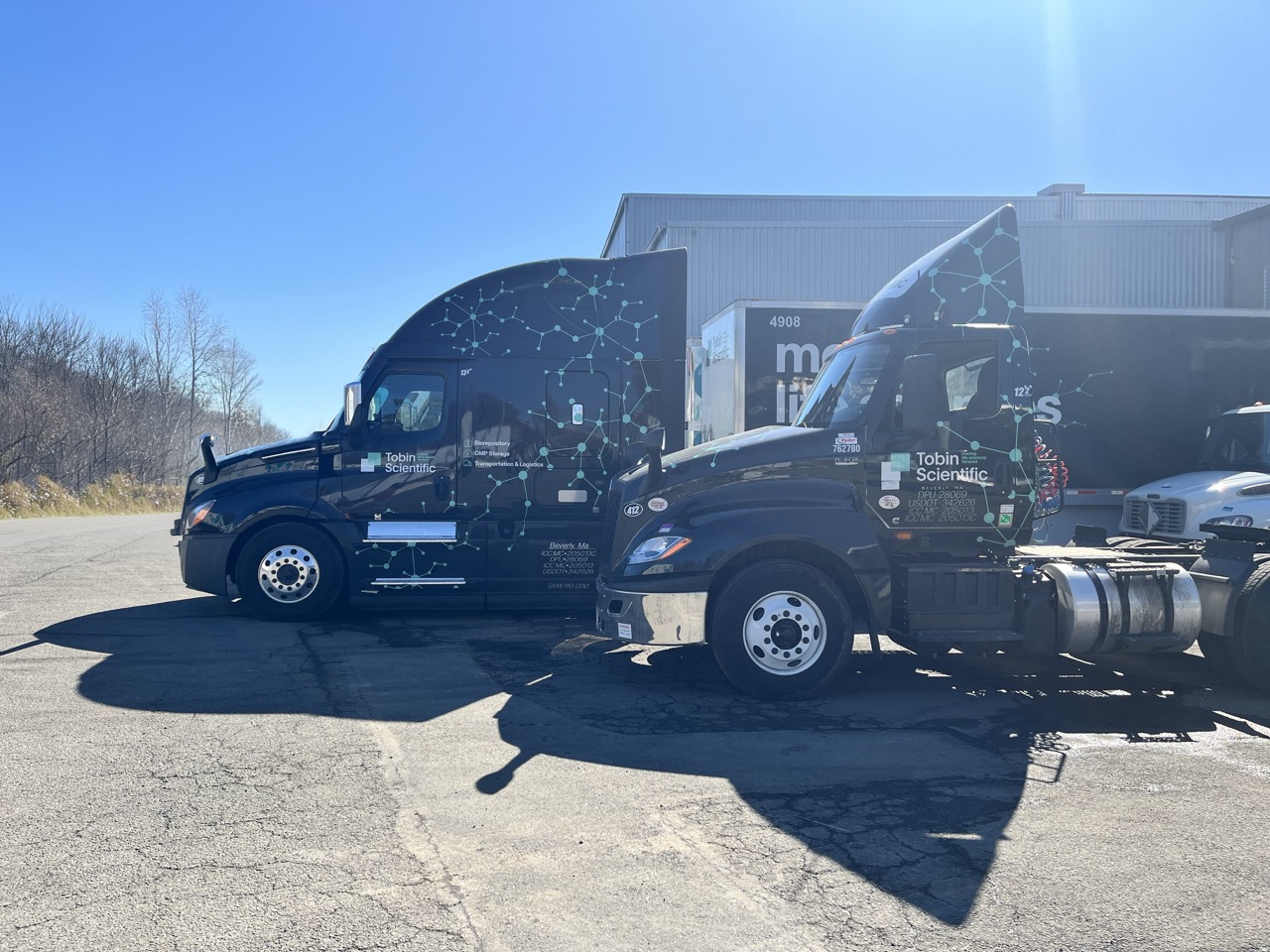
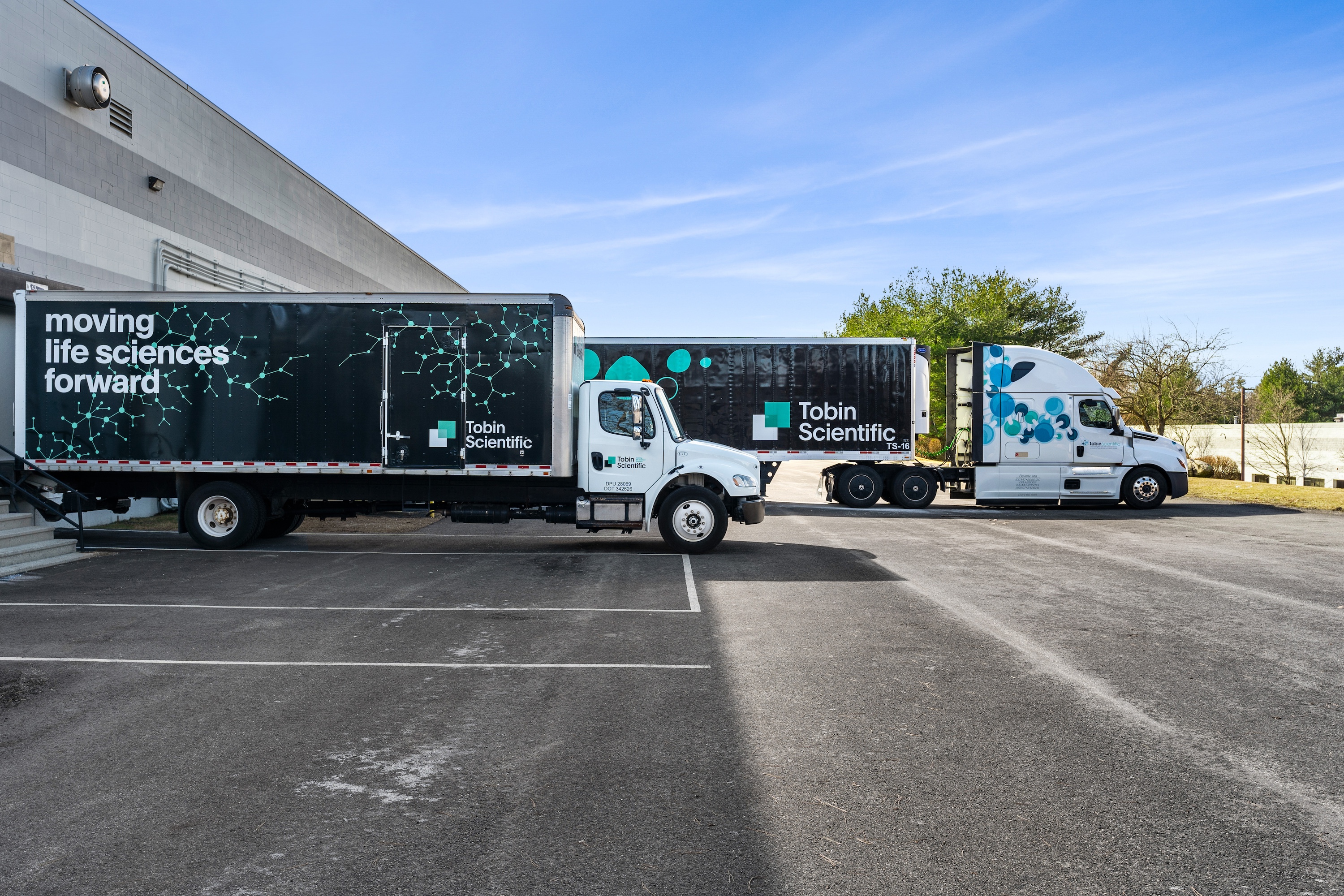
Unlike transportation models that rely on multiple third-party carriers to complete a job, Tobin operates our own specialized fleet, allowing shipments to remain under the care of one experienced team throughout their journey. Products are continuously monitored while in transit, supported by trained personnel who understand the handling requirements of regulated life science materials.
By minimizing handoffs and maintaining one continuous chain of custody, we can help significantly reduce transportation risk, improve shipment visibility, simplify communication, and protect valuable products from pickup through final delivery.
When your shipment contains years of research, critical therapies, or irreplaceable materials, every mile matters. A transportation strategy built around continuous control (not continuous handoffs!) helps safeguard product integrity and provides greater confidence that your materials will arrive safely and compliantly.
Related Services
Laboratory Relocation
Safety & Relocation Expertise Every Step of the Way
Safety & Relocation Expertise Every Step of the Way
Laboratory Relocation

Cold Chain Transport
Reliable Temperature-Controlled Transport for Sensitive Materials
Reliable Temperature-Controlled Transport for Sensitive Materials
Cold Chain Transport
Mobile Cold Rooms
Delivering uninterrupted climate-control anywhere in the country
Delivering uninterrupted climate-control anywhere in the country
Mobile Cold Rooms